
How To Sell Your Camp Hill Home With Confidence
May 7, 2026
May 7, 2026
Selling your home can feel simple on paper and stressful in real life. If you want to maximize your price, stay on top of deadlines, and line up your next move without unnecessary surprises, you need more than a yard sign and hope. In Camp Hill, the right plan matters because this is a small, owner-occupied market where pricing, presentation, and timing can shape your outcome quickly. Let’s dive in.
Camp Hill is a compact borough of just 2.13 square miles, with an estimated 8,231 residents and 3,330 households in 2024. About 78.1% of homes are owner-occupied, which points to a stable community with many homeowners who may be moving from one owned home to the next.
That local setup affects how you sell. In a smaller market, buyers tend to compare homes closely, and recent nearby sales often carry more weight than broad county averages. If your home is priced and prepared with Camp Hill in mind, you can enter the market with much more confidence.
Recent market snapshots suggest that well-priced Camp Hill homes can still move quickly. Redfin’s March 2026 data for Camp Hill showed a median sale price of $368,275, median days on market of 8, and 4 homes sold that month.
Realtor.com’s March 2026 data for the 17011 ZIP code showed 56 homes for sale, a median listing price of $362,500, median days on market of 27, and a 100% sale-to-list ratio. These sources use different geographies and timeframes, so they are best viewed as directional, not identical. The big picture is this: buyers are active, but pricing still needs to make sense.
You should not assume that any list price will work just because homes are selling. In Camp Hill, strong results often come from a smart launch, realistic pricing, and a home that shows well from day one.
This is also a market where first impressions matter. If buyers can compare several similar options nearby, condition, layout, lot size, and convenience can all influence how quickly offers come in.
Because Camp Hill is small and monthly sales volume can be limited, pricing should rely heavily on the most recent and most comparable local sales. A countywide average may be too broad to capture what buyers will actually pay for your specific home.
A strong pricing strategy should look at:
An aspirational price can look tempting, especially if you are trying to fund your next purchase. But if buyers view your home as overpriced compared with nearby options, you may lose momentum during the most important first days on market.
In a market where homes may go under contract in roughly one to four weeks depending on the dataset, a stale listing can become a problem fast. A well-supported price often creates stronger interest and better negotiating leverage than a high price that needs early reductions.
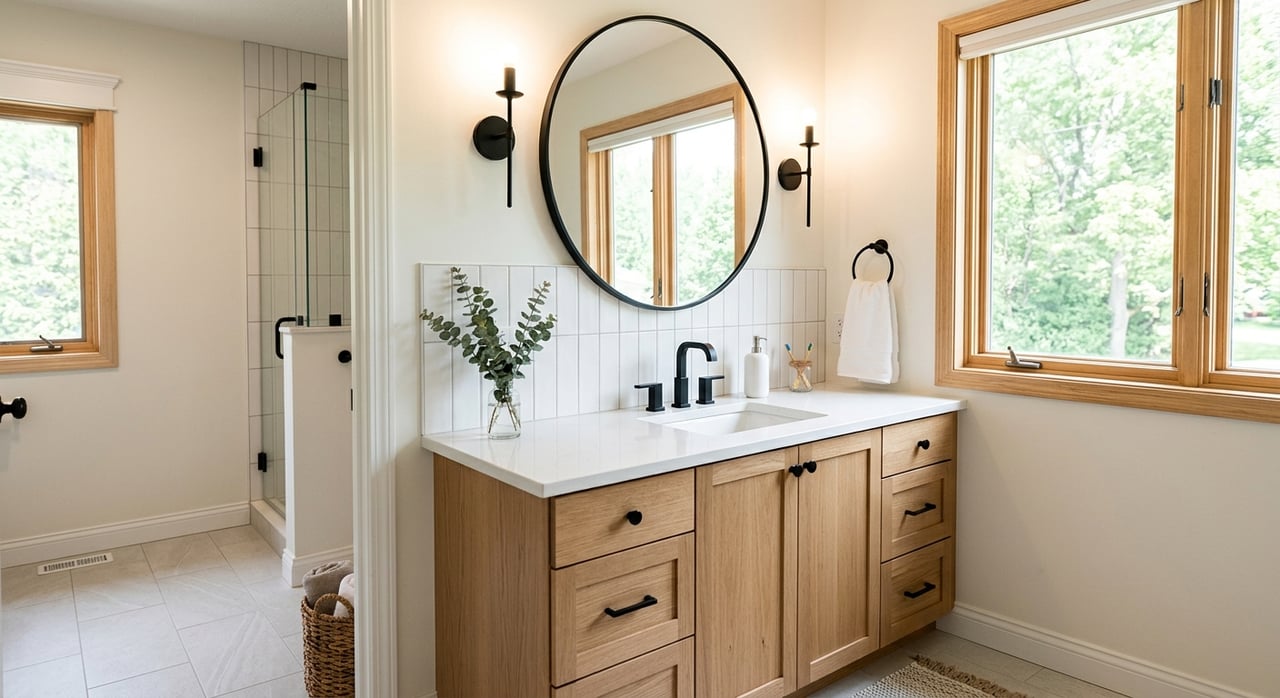
Before listing, many sellers wonder whether they should renovate, refresh, or sell as-is. In the Camp Hill area, the better return often comes from smaller, visible improvements rather than large remodeling projects.
Realtor.com’s local guidance for 17011 notes that minor cosmetic updates like paint, fixtures, and landscaping can help. It also notes that major renovations often do not return their full cost, though they may widen your buyer pool or reduce time on market.
If you want to prepare your home efficiently, start with items that improve appearance, function, and buyer confidence:
Selling as-is is still an option, but it often attracts investors or buyers looking for a discount. If your goal is to sell with confidence and protect value, even a modest refresh can make a meaningful difference.
In Pennsylvania, the Real Estate Seller Disclosure Law requires sellers of residential property to disclose known material defects before signing the agreement of transfer. This is not just a paperwork step at the end. It should be part of your preparation before your home hits the market.
The required disclosure subjects include areas such as the roof, basement or crawl space, pests, structural issues, additions or remodeling, water and sewage systems, plumbing, heating and air conditioning, electrical systems, appliances, soils and drainage, boundaries, hazardous substances, condominium or HOA matters, and title or legal issues affecting use.
You are not required to perform a specific investigation, but you cannot knowingly make false or misleading statements or leave out a known material defect. If information changes and the disclosure becomes inaccurate before settlement, you must notify the buyer.
That is why a careful pre-list review matters. When you think through known issues early, you can decide whether to repair them, disclose them clearly, or adjust your pricing and negotiation strategy accordingly.
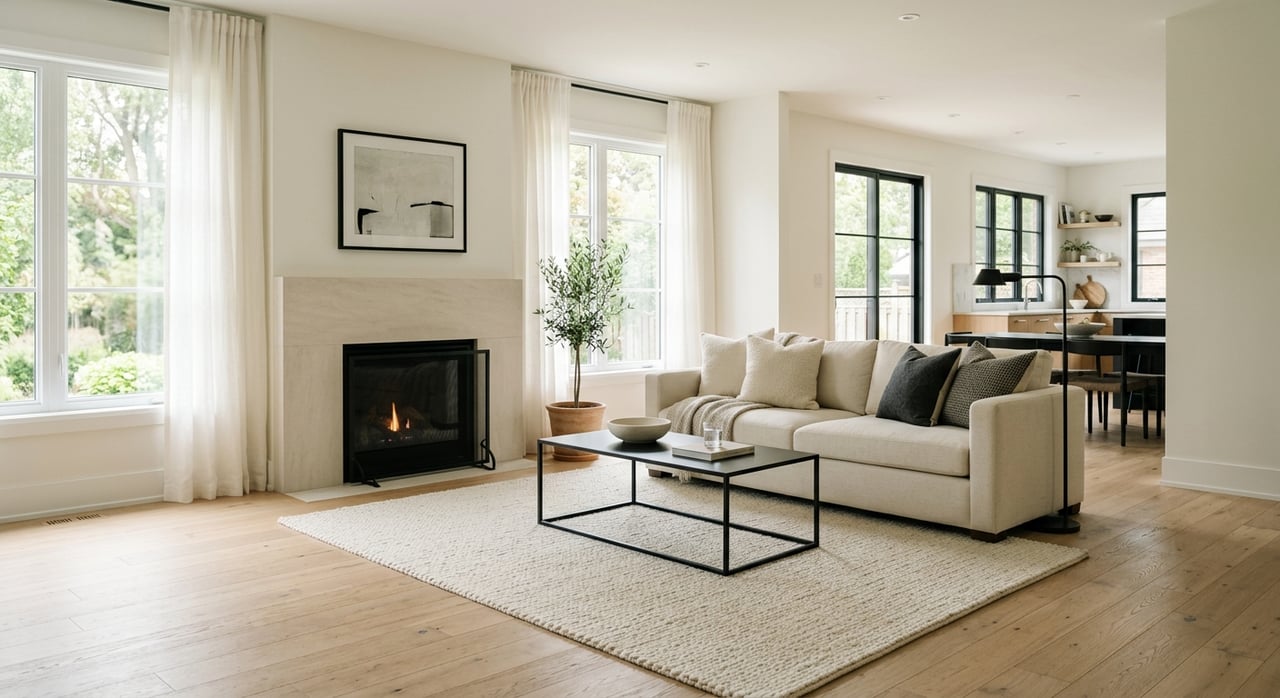
Buyer experience matters in a market that can move quickly. Once your home is live, access, presentation, and responsiveness can shape how buyers feel before they even write an offer.
If buyers have a smooth showing experience and your home feels well prepared, they are more likely to act decisively. If showing windows are limited or the home feels unfinished, you may miss early momentum.
Keep your plan simple and consistent:
In Camp Hill, where convenience and neighborhood fit can matter to buyers, it helps when your home is easy to tour and easy to understand.
For many Camp Hill sellers, the hardest part is not listing the current home. It is coordinating the sale with the purchase of the next one. This is especially important for move-up households trying to protect equity, manage schedules, and avoid feeling rushed.
Camp Hill’s compact school district and owner-occupied profile can make timing especially relevant for local sellers. A strong plan should account for your likely purchase path, not just your listing date.
Before your home goes live, it helps to define:
When those pieces are clear, your pricing, showing plan, and negotiation strategy become easier to manage.
Confidence also comes from knowing what to expect at settlement. In Cumberland County, Pennsylvania realty transfer tax includes a 1% state tax plus a 1% local tax, according to county and state guidance. The county also notes that grantor and grantee are jointly and severally liable, and some transfers may be exempt.
While exact closing costs vary by transaction, transfer tax is one of the major local items sellers should plan for. Getting those numbers into your net sheet early can help you make clearer decisions about pricing and your next purchase.
The Cumberland County Recorder of Deeds keeps the permanent public record of deeds and real estate documents. That means your closing package, deed, and transfer tax documents need to be accurate and ready for settlement.
This is one reason sellers benefit from a coordinated process. A sale involves pricing, marketing, disclosures, feedback, negotiations, title work, tax forms, and timing, and each step affects the next.
Selling with confidence does not mean controlling every outcome. It means having a clear plan, realistic expectations, and steady guidance from list to close.
In Camp Hill, that often looks like pricing with local precision, making smart cosmetic improvements, handling disclosures carefully, staying flexible with showings, and coordinating your sale with your next move. When each piece is handled intentionally, the process feels more manageable and the decisions get easier.
If you are thinking about selling in Camp Hill and want a clear, education-first plan, Beth Aughenbaugh can help you understand your timing, pricing, and next steps with confidence.
Stay up to date on the latest real estate trends.
We pride ourselves in providing personalized solutions that bring our clients closer to their dream properties and enhance their long-term wealth. Contact us today to find out how we can be of assistance to you!