What Small Investors Should Know About York Rental Properties
May 14, 2026
May 14, 2026
If you are thinking about buying a rental in York, it is easy to focus on rent and miss the details that really shape your return. In this market, older housing, city inspections, licensing rules, and repair planning can matter just as much as the monthly income. The good news is that with the right local lens, you can screen deals more confidently and avoid some common mistakes. Let’s dive in.
York is a market where local knowledge matters. The city regulates tenant-occupied residential rentals through licensing and inspection, and in some cases an owner who lives outside York County or a contiguous county may need to appoint a local manager.
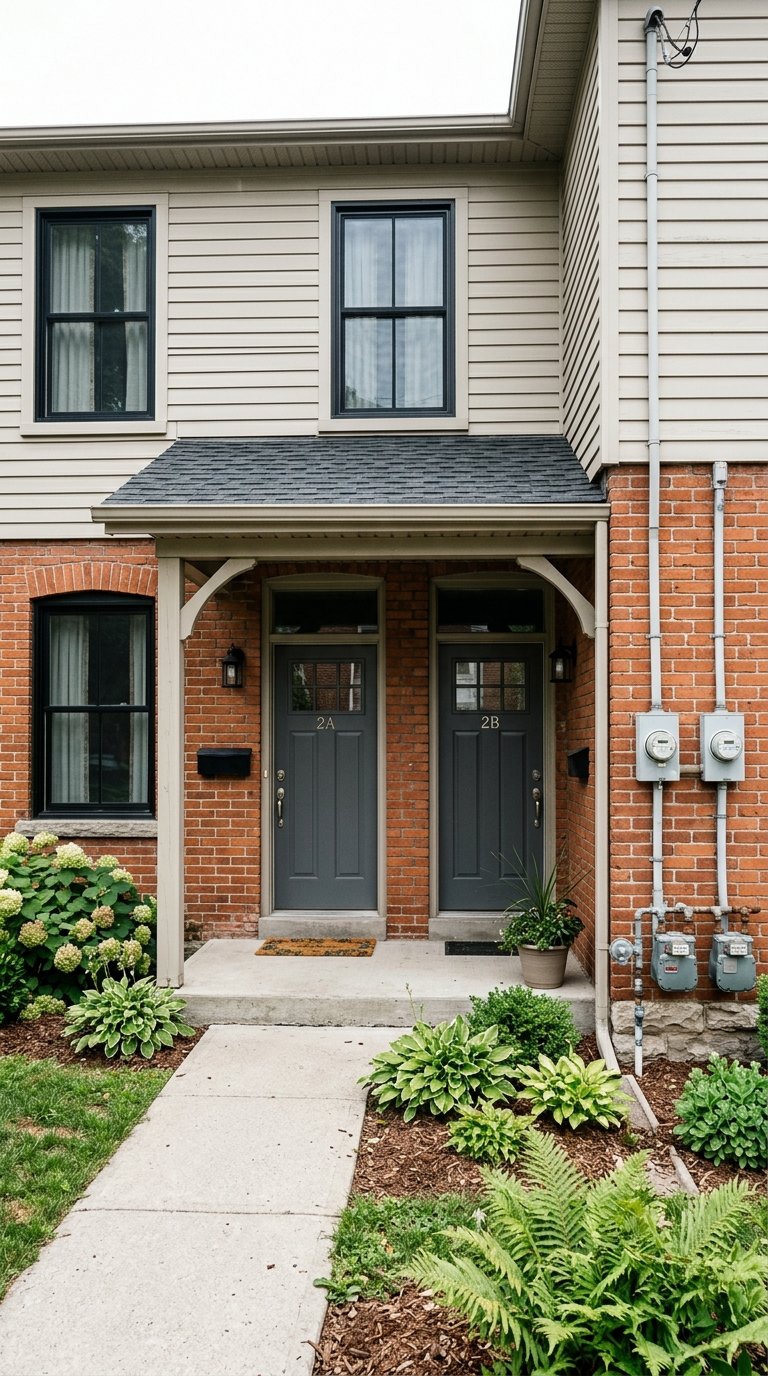
That matters because York is not just a generic rental market. The city’s housing stock leans heavily toward attached homes and smaller multi-unit properties, which can create different maintenance and compliance needs than newer suburban inventory.
According to the York 2044 plan, the city’s housing mix includes 40.65% single-family attached homes, 22.65% single-family detached homes, 24.62% 2 to 9 unit dwellings, and 11.97% 10+ unit dwellings. The same plan says nearly half of occupied units were built before 1939, and more than 90% were built before 1980.
For a small investor, that tells you something important. In York, you are often looking at rowhomes, duplexes, triplexes, fourplexes, and other older properties where condition, deferred maintenance, and code issues can have a big impact on the numbers.
York also has a strong renter presence. Census QuickFacts reports an owner-occupied housing unit rate of 43.7%, which means a large share of households rent rather than own.
That renter mix can be attractive for small investors, but it does not remove the need for careful underwriting. The same source reports a median gross rent of $1,014, median household income of $48,420, and a poverty rate of 21.1%, so affordability and realistic pricing should stay front and center in your deal analysis.
RentCafe reports that 56% of households in York are renter-occupied. It also says the largest share of rentals, 49%, fall between $1,001 and $1,500 per month.
One of the biggest mistakes small investors make is treating one rent number like a fact for the entire city. In York, the safer approach is to think in ranges.
Current benchmarks vary by source. Census data reflects a broader historical window, while private platforms use different property pools and update on different schedules.
Zillow reported an average rent in York of $1,300 as of May 8, 2026, across all bedroom counts and property types. It listed 1-bedroom units at $1,125, 2-bedroom units at $1,295, 3-bedroom units at $1,631, and 4-bedroom units at $1,675.
RentCafe reported an apartment average of $1,553 as of April 22, 2026. It listed 1-bedroom apartments at $1,364, 2-bedroom apartments at $1,568, and 3-bedroom apartments at $1,910.
These figures are not direct apples-to-apples comparisons. They cover different segments of the market, so the takeaway is not to pick the highest number. The smarter move is to underwrite conservatively and make sure your expected rent fits the property type, condition, and exact location.
Zillow also shows a very wide current rental price range in York, from $100 to $3,100. That spread is a reminder that rent can move a lot based on updates, layout, building condition, and neighborhood context.
If you want a practical starting point, the low-to-mid $1,000s deserve close attention. RentCafe says nearly half of York rentals fall between $1,001 and $1,500 per month.
For many small investors, that makes this range the most useful place to start when pressure-testing a deal. If the numbers only work at a top-of-market rent, the investment may be more fragile than it first appears.
A conservative rent assumption can give you more room for vacancy, repairs, and normal turnover costs. That is especially important in a city with older housing stock.
Strong investing is not just about what comes in each month. It is about what stays after realistic costs.
The IRS lists common rental expense categories such as mortgage interest, real estate taxes, insurance, maintenance, utilities, depreciation, cleaning and maintenance, legal and professional fees, management fees, repairs, and advertising. Those categories are a helpful reminder that cash flow can tighten quickly when you leave out the boring line items.
For York properties, you should also budget for compliance-related costs. The city says tenant-occupied inspections are based on the Property Maintenance Code Book, and common complaints include weeds, trash, bugs, leaks, sewer backup, and mold.
York also requires a residential tenant-occupied rental license and annual renewal. Depending on where you live, you may also need a local manager.
This is one area where many first-time investors get tripped up. Not every property expense works the same way.
IRS guidance draws a key distinction between repairs and improvements. Repairs and routine maintenance may be deductible when allowed, while improvements that better, restore, or adapt the property generally must be capitalized.
Why does that matter to you? Because it affects both your current cash flow and the timing of tax benefits.
From a practical standpoint, this also helps you evaluate a deal more clearly. A property that needs a few normal repairs is different from one that needs a major system upgrade or large renovation before it can perform as expected.
When you are planning updates, it helps to know that not every project is treated the same way by the city. York says maintenance or cosmetic work such as painting, siding, gutters, or same-size window replacement generally does not need a building permit.
But work that involves constructing, enlarging, altering, moving, removing, or demolishing likely does. That can change both cost and project timing, especially if your strategy depends on quick turnover after closing.
When you review a rental opportunity in York, ask a basic question: does this property still make sense after realistic rent, normal vacancy, recurring expenses, and older-home maintenance?
That question sounds simple, but it protects you from chasing deals that only work on paper. In York, downside risk often comes from building condition, compliance, and management quality, not just from rent assumptions.
A practical underwriting lens should include:
A good deal starts with good verification. Before you commit, make sure you are checking both the numbers and the property itself.
Here is a practical due diligence checklist for York rental properties:
This kind of diligence is not about slowing you down. It is about helping you avoid surprises after closing.
Because so much of York’s housing stock is older, lead should be part of your review process. For most pre-1978 housing, known lead-based paint hazards must be disclosed before lease or sale.
Renovation work in older homes can also create dangerous dust if the work is not handled properly. If you are buying an older rowhome or small multi-unit property, this should be part of your planning from day one.
If you plan to rent out a property, your process matters as much as your property choice. York City and the Pennsylvania Human Relations Commission prohibit housing discrimination, and the city lists protected classes that include race, color, religious creed, sex, ancestry, national origin, disability, support animals, sexual orientation, and familial status.
Pennsylvania also sets limits on security deposits. The state allows no more than two months’ rent in the first lease year, no more than one month’s rent in the second and later years, and it has interest and escrow rules after two years.
These are not details to figure out later. They should be part of your operating plan before you buy.
York can offer real opportunity for small investors, especially if you are looking at rowhomes, duplexes, or other smaller rental formats. But the path to a solid investment is usually not about stretching for the highest possible rent.
It is about buying with a clear plan, understanding the city’s rental rules, and leaving room in your numbers for repairs, compliance, and realistic management. That is where experience and local insight can make a big difference.
If you are weighing a York rental property and want a steady, education-first perspective on the purchase, the Beth Aughenbaugh Team can help you think through the numbers, the property, and the process with clarity. When you are ready to talk strategy, connect with Beth Aughenbaugh.
Stay up to date on the latest real estate trends.


We pride ourselves in providing personalized solutions that bring our clients closer to their dream properties and enhance their long-term wealth. Contact us today to find out how we can be of assistance to you!