
Moving To Harrisburg: A Practical Guide For New Residents
June 4, 2026
June 4, 2026
Thinking about moving to Harrisburg? The biggest surprise for many new residents is that your day-to-day experience often depends less on your zip code and more on which side of the Susquehanna River you choose. If you are relocating for work, lifestyle, or a fresh start, getting clear on commute, housing style, and practical home-search details can save you time and stress. This guide will help you understand how Harrisburg and the West Shore compare so you can move forward with more confidence. Let’s dive in.
Harrisburg is Dauphin County’s county seat and a major cultural, business, and government center for the region. The city covers 8.12 square miles and had an estimated population of 50,649 in 2024. In the 2019-2023 American Community Survey, the mean travel time to work was 20.6 minutes.
When people say they are moving to Harrisburg, they may also be considering nearby communities on the West Shore. The West Shore Chamber describes that area as 24 municipalities west of the Susquehanna River with more than 160,000 residents. Common places new residents compare include Camp Hill, Lemoyne, Wormleysburg, New Cumberland, Mechanicsburg, and East Pennsboro Township.
For many buyers, this is the first key decision. Harrisburg tends to offer a denser, more urban layout with older housing stock and stronger transit connections. The West Shore usually offers a broader mix of borough and township settings with easier car-based commuting in many cases.
Before you fall in love with a house, think about how you want your week to function. The river crossing can shape your daily routine more than many newcomers expect. PennDOT says the I-83 South Bridge connects downtown Harrisburg with Cumberland County communities west of the river and carries more than 125,000 vehicles per day.
That number matters because it makes commute planning a real quality-of-life issue. If you expect to drive across the river often, test that route before you commit to an area. A home that looks perfect on paper can feel very different once you factor in your actual travel pattern.
If you want to be closer to downtown, transit options, the train station, and central employment hubs, Harrisburg may be your starting point. The city’s layout is more compact, and its housing stock includes many attached homes and multifamily properties. That can appeal to buyers who want a more urban feel and closer-in living.
Harrisburg also makes sense if you value regional travel access. Amtrak’s Harrisburg station at 4th and Chestnut Streets connects to Philadelphia and New York on Keystone Service and to Pittsburgh on the Pennsylvanian. For air travel, Harrisburg International Airport is the third-largest airport in Pennsylvania and offers daily nonstop flights to 17 cities.
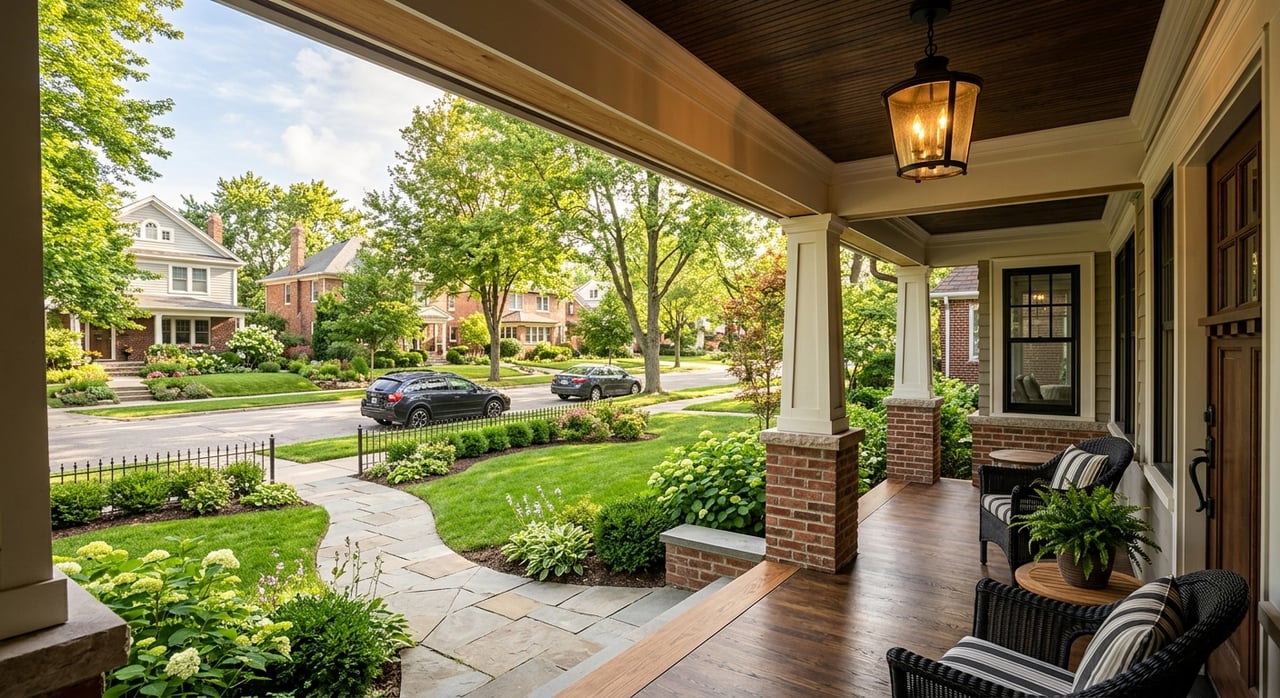
If you prefer a wider range of borough and township options, the West Shore may feel more natural. Communities like Camp Hill, Lemoyne, Wormleysburg, New Cumberland, and Mechanicsburg are common comparison points for relocation buyers. This side of the metro often appeals to people who want easier access to hospitals, retail areas, commuter routes, and suburban-style housing choices.
The West Shore is also well connected by transit. rabbittransit serves places such as Lemoyne, Camp Hill, Wormleysburg, Mechanicsburg, New Cumberland, West Fairview, and Enola. That can give you more flexibility than many first-time movers expect.
Driving is still the biggest transportation factor in this market. If you will commute by car, look beyond distance and pay attention to bridges, parking, and peak travel times. In Harrisburg, parking can include meters, garages, time-restricted spaces, and residential permit areas.
If downtown living is on your list, review parking early. The city says free on-street parking is available after 5 p.m. in marked downtown locations, but that does not mean every block will work the same way. Knowing the parking setup ahead of time can help you avoid frustration after move-in.
Public transit is also a real option in this area. rabbittransit’s Capital Region fixed-route system includes 29 routes serving Dauphin County, Cumberland County, and Harrisburg. For longer regional commutes, weekday commuter routes connect Harrisburg with Carlisle, Shippensburg, Upper Dauphin County, York, Northern Maryland, and Gettysburg.
Transit lines also line up with important work centers. Route 2 serves the Capitol Complex and Riverfront Office Center, Route 7 serves Penn State Harrisburg and Harrisburg International Airport, Route 322 serves Penn State Hershey Medical Center, and Route D serves Wormleysburg, Camp Hill, Holy Spirit Hospital, and Capital City Mall.
If you are relocating for a job, Harrisburg has several major employment anchors. State government plays a central role in the area economy, and downtown office geography can affect where you want to live. The Commonwealth has office space near the train station, bus station, Capitol Complex, and other downtown amenities.
Healthcare is another major employment cluster. UPMC Harrisburg is a 422-bed acute-care hospital downtown. UPMC West Shore is a 166-bed hospital in Mechanicsburg, and Penn State Health Holy Spirit Medical Center is in Camp Hill.
The region also supports jobs tied to events, logistics, and transportation. The Pennsylvania Farm Show Complex & Expo Center hosts more than 250 events each year in a 1 million-square-foot facility. Dauphin County also notes the presence of more than 20 industrial parks and office districts, along with mainline Amtrak service and an intermodal rail freight terminus.
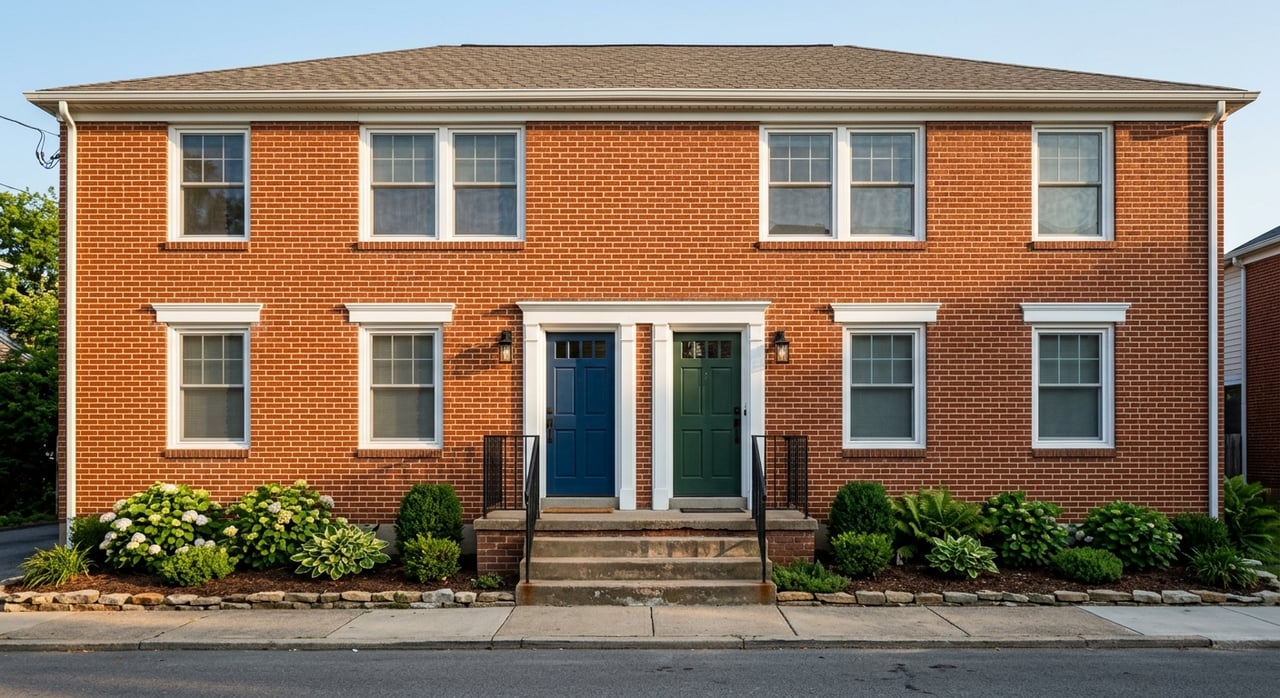
One of the most important things to know before moving to Harrisburg is that the city’s housing stock is older and more attached than many buyers expect. According to the city’s 2023-2027 Consolidated Plan, 47% of residential properties are 1-unit attached. Another 16% are 2-to-4-unit properties, 13% are buildings with 20 or more units, and 12% are detached homes.
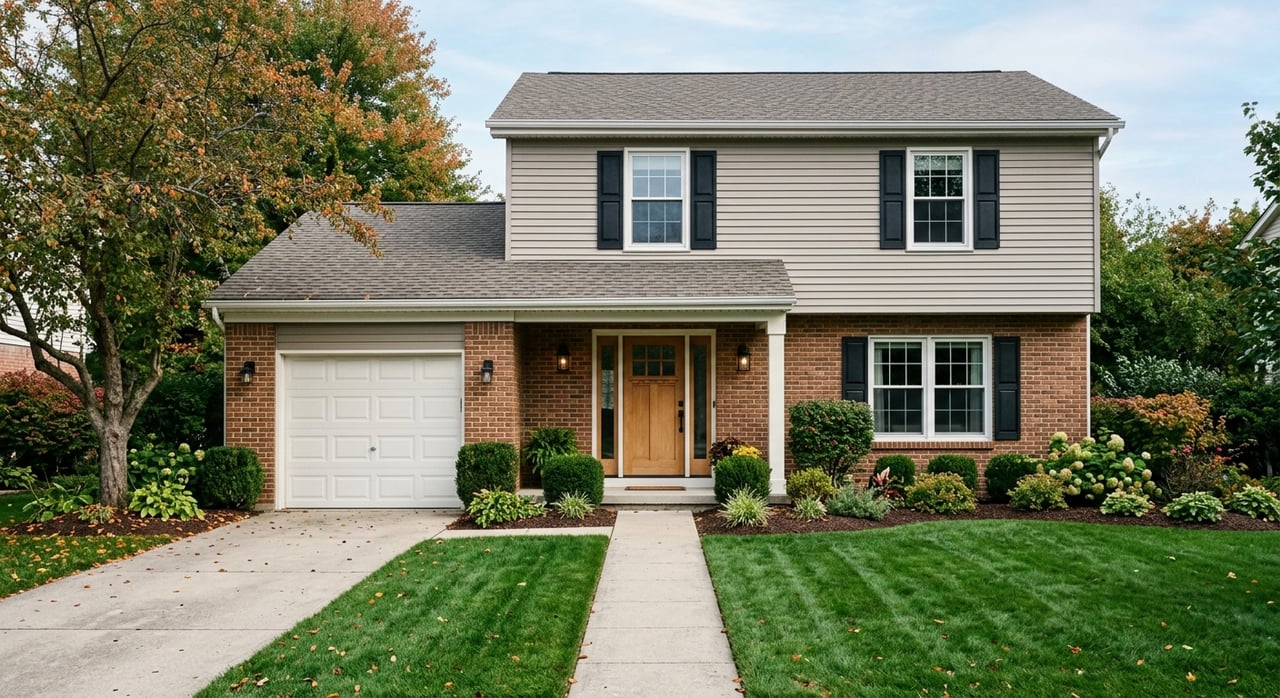
That mix creates a different search experience than you may find in some neighboring communities. If you are looking for rowhomes, older attached houses, or closer-in living, Harrisburg may offer more of what you want. If you want a broader mix of detached homes, townships, and borough settings, the West Shore may give you more options to compare.
Age matters in this market. The city reports that 68% of owner-occupied units and 46% of renter-occupied units were built before 1950. That does not mean older homes are a bad choice, but it does mean you should go in with open eyes.
For many buyers, that means asking more detailed inspection questions about:
This is where an education-first approach really helps. You do not need to fear older housing, but you do need to evaluate condition, maintenance, and future costs carefully.
In Harrisburg, address-specific research matters. The city has six municipal historic districts, and exterior changes visible from a public right-of-way are subject to historic-district regulations. If you are considering a property with plans for exterior updates, it is smart to verify whether those rules apply before you buy.
Flood risk is another factor to check early, especially near river-adjacent areas. Harrisburg provides a floodplain viewer, and the city participates in FEMA’s Community Rating System. The city also notes that properties in the 100-year floodplain receive a 20% flood-insurance discount.
These details are not meant to scare you away from any area. They are simply part of smart due diligence. The more you know before making an offer, the better positioned you are to make a confident decision.
If you are relocating from outside the area, your home search trip should be practical, not rushed. The goal is not just to see homes. It is to compare daily life on both sides of the river.
Here is a strong checklist to use:
This kind of preparation can make your search more focused and much less overwhelming.
If everything is starting to blur together, come back to the basics. First, decide whether your routine works better in Harrisburg or on the West Shore. Then narrow by commute, housing style, and the level of maintenance or updates you are comfortable taking on.
From there, your choices usually get clearer. Some buyers realize they want the older, close-in housing and transit access that Harrisburg offers. Others find that the broader borough-and-township options west of the river fit their lifestyle better.
The key is not choosing what sounds best in theory. It is choosing the setup that makes your workdays, weekends, and long-term plans easier to manage.
Moving to a new area comes with a lot of unknowns, but you do not have to figure it all out alone. If you want local guidance on comparing Harrisburg and the West Shore, understanding housing tradeoffs, and building a search plan that fits your goals, reach out to Beth Aughenbaugh for clear, steady support.
Stay up to date on the latest real estate trends.

We pride ourselves in providing personalized solutions that bring our clients closer to their dream properties and enhance their long-term wealth. Contact us today to find out how we can be of assistance to you!